For decades, the roar of a jetski has been the sound of summer on Australian waterways. But a new generation of personal watercraft is making waves — and it does so in near silence. Electric jetboards, led by the high-performance Awake RÄVIK series, are challenging the dominance of traditional petrol-powered PWCs like the Sea-Doo. But is this a true replacement, or a different experience entirely?
This article explores the key differences between these two classes of watercraft, and why a growing number of performance enthusiasts are choosing to go electric.
Performance: The Electric Advantage
Traditional jetskis have long been the benchmark for on-water speed and power. A high-end model like the Sea-Doo RXP-X 325 boasts a 325-horsepower engine and a top speed approaching 110 km/h. However, this power comes with a significant weight penalty — over 350kg — and a reliance on a large, noisy internal combustion engine.
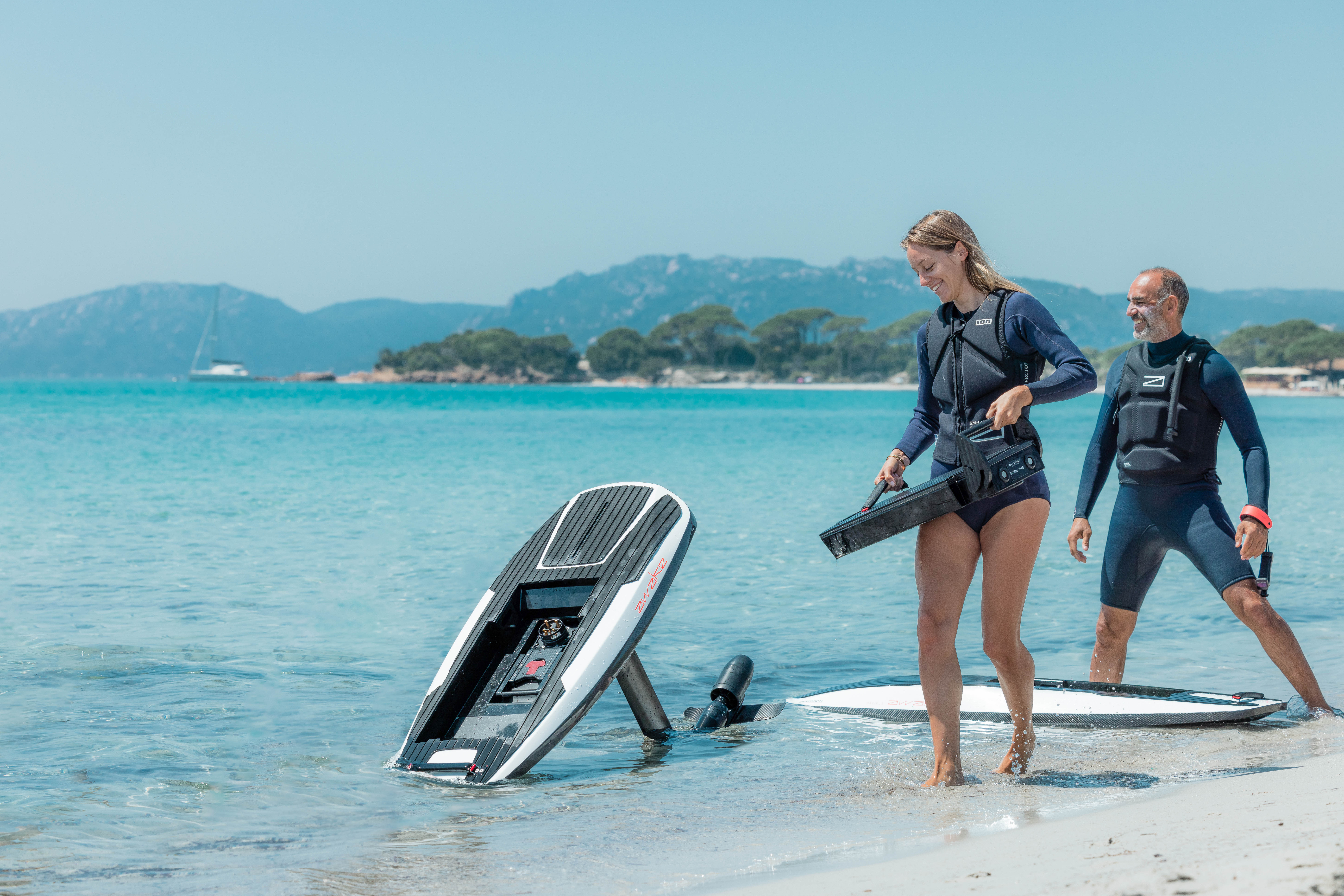
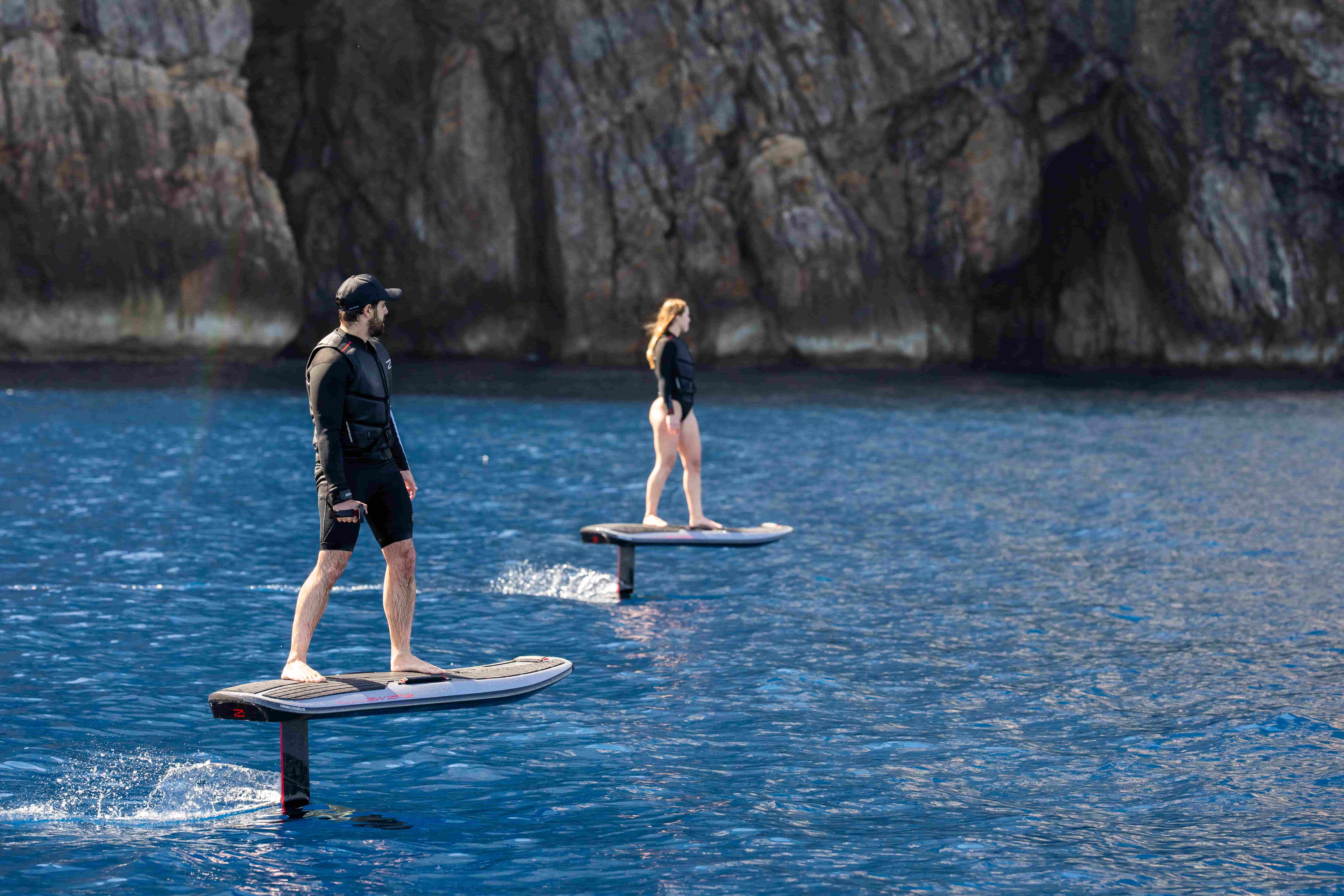
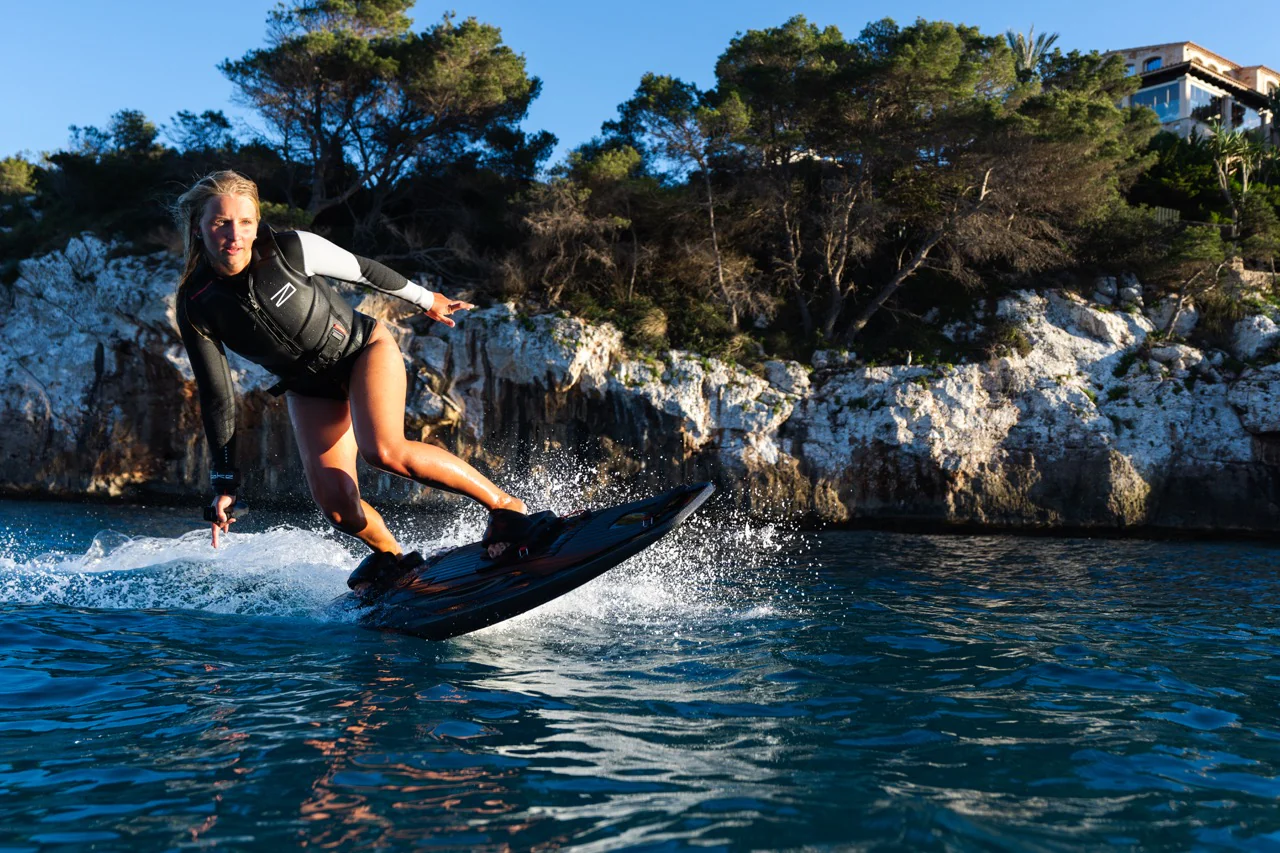
Electric jetboards take a different approach. The Awake RÄVIK Ultimate, for example, delivers its 11kW of power instantly, with no lag or hesitation. This translates to explosive acceleration — 0 to 50 km/h in just 4 seconds — and a top speed of 56 km/h. While the absolute top speed may be lower than a top-tier jetski, the experience is far more dynamic and connected to the water. For those seeking a more accessible but equally thrilling ride, the Awake RÄVIK Explore offers a nimble and fun experience that is perfect for riders of all levels.
Electric Jetboard
Sea-Doo RXP-X
Petrol PWC
Power
11 kW electric
325 hp petrol
Top Speed
56 km/h
~110 km/h
0–50 km/h
4 seconds
~3 seconds
Weight
~40 kg
~370 kg
Noise
Near silent
Loud
The Riding Experience: Agility vs. Stability
The most significant difference lies in how they feel to ride. A jetski is a sit-down or stand-up vessel that you command from above. It is stable, powerful, and capable of carrying multiple passengers. It is the SUV of the water.
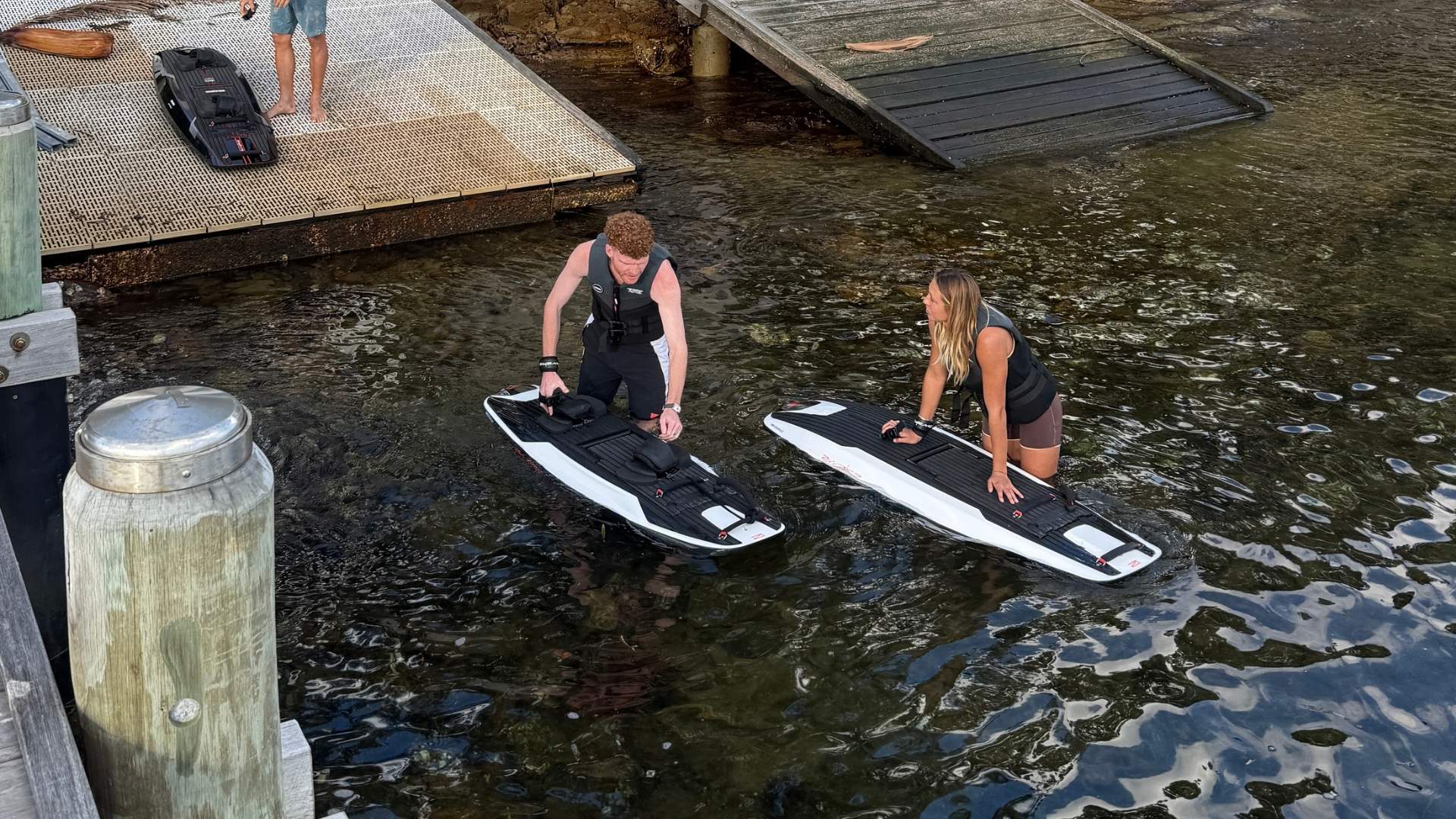
An electric jetboard, by contrast, is an extension of your body. You stand directly on the board, carving through the water with shifts in your weight, much like surfing or snowboarding. The RÄVIK's lightweight carbon fibre construction and direct-drive jet propulsion system provide a level of agility and responsiveness that a 370kg jetski simply cannot match. It is the supercar of the water — nimble, precise, and delivering an unparalleled sense of connection to the elements.
Noise and Emissions: A Quieter Way to Ride
This is where the electric advantage becomes most apparent. An electric jetboard produces zero emissions from the board itself and operates in near silence, allowing you to explore pristine waterways without disturbing wildlife or fellow beachgoers. This opens up a world of possibilities, from early morning sessions on calm lakes to exploring noise-restricted national parks.
While the environmental impact of any manufactured product must be considered, the on-water experience of an electric jetboard is undeniably cleaner and quieter than its petrol-powered counterparts.
The Verdict: A New Class of Performance
While electric jetboards may not replace the family-friendly utility of a traditional jetski, they represent a new and compelling class of high-performance watercraft. For the discerning rider who values agility, responsiveness, and a pure, unadulterated connection to the water, the electric jetboard is not just an alternative — it is the future.